
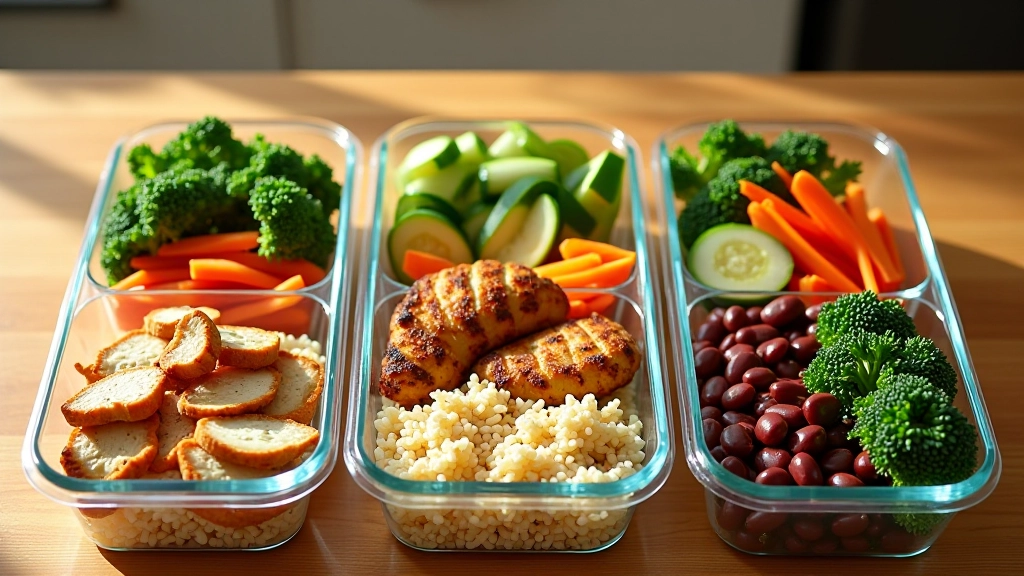
Weekly Meal Prep for Busy Families: Sunday Setup Guide
Step-by-step process for prepping 5 days of meals in 2 hours. We're talking real containers, smart storage, and recipes that don't get boring.
Read More →Forget complicated formulas. Here's what you need within 2 hours after training, with 8 recipes you'll actually make.
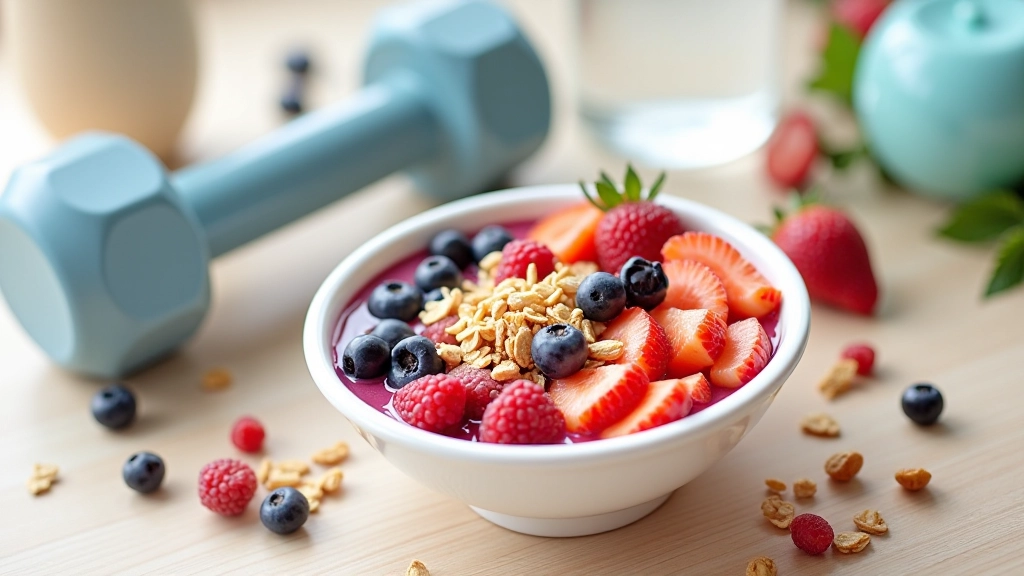
Your body's been working hard. Muscles are depleted, energy is low, and your system's ready to absorb nutrients. That window after training? It's real, and it's important.
We're not talking about magical supplements or complex timing. It's about protein, carbs, and eating something that actually tastes good. You'll notice better recovery, less soreness, and honestly — you'll feel ready to train again sooner. That's it.
Three elements. That's all you need to remember.
Rebuilds muscle fibers that just got worked. Chicken, fish, eggs, Greek yogurt, tofu — whatever fits your diet. Your muscles won't recover without it.
Restores glycogen that your workout depleted. Fruit, rice, sweet potato, oats — your body needs this to refuel. Carbs aren't the enemy here, they're the solution.
You've lost sweat. Hydration helps nutrient absorption and recovery. Water's the default, but if you're doing intense training 4+ times weekly, add electrolytes.
Real food that fits into real life. Each hits the formula above.
1 cup Greek yogurt + 1/2 cup granola + 1 banana + honey drizzle. 28g protein, 45g carbs. Takes 3 minutes.
4 oz grilled chicken + 3/4 cup white rice + steamed broccoli. 32g protein, 55g carbs. Meal prep friendly.
3 eggs + 2 slices whole grain toast + 1/2 avocado. 24g protein, 42g carbs. Home in 8 minutes.
1 scoop protein powder + 1 banana + 1 tbsp peanut butter + 8 oz milk. 28g protein, 48g carbs. Blender only.
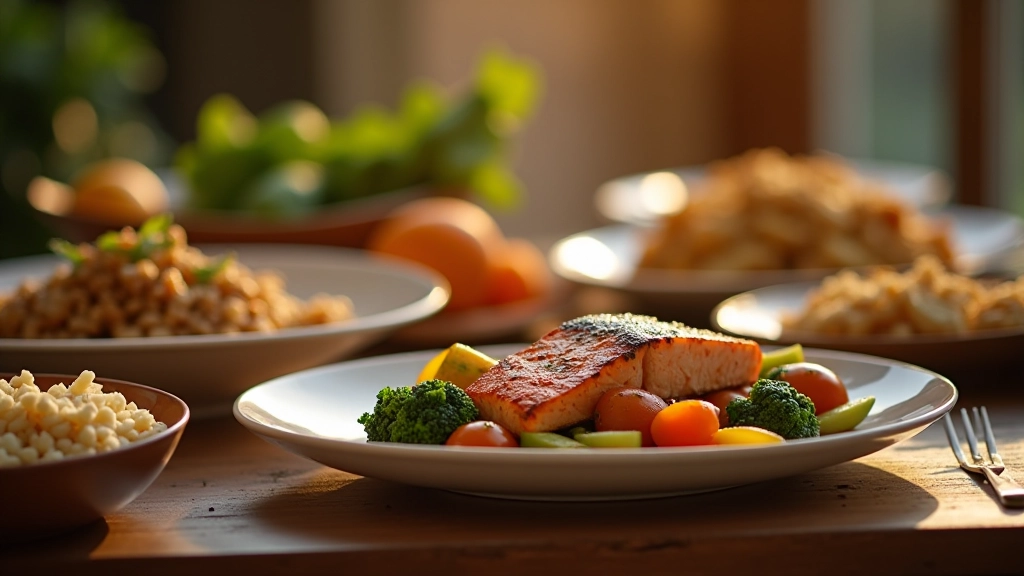
5 oz salmon + 1 medium sweet potato + side salad. 30g protein, 52g carbs. Reheats perfectly.
6 oz ground turkey + whole wheat wrap + beans + salsa. 32g protein, 44g carbs. Can batch cook.
2 oat pancakes + 1 cup berries + 2 tbsp Greek yogurt topping. 22g protein, 58g carbs. Weekend favorite.
5 oz lean ground beef + 1.5 cups pasta + marinara sauce. 28g protein, 60g carbs. Classic works.
You've probably heard about "the anabolic window" — this magical 30-minute period where you must eat or everything falls apart. That's mostly hype. Here's what actually matters:
Real talk: If you're training 3-4 times weekly with normal intensity, the timing window's forgiving. Eat within 2 hours, hit your protein and carbs, and you're fine.

Things that actually change how you feel the next day.
Cook chicken, rice, and roasted vegetables on Sunday. When you're tired after training, grab it instead of hitting a drive-through. You're 10x more likely to eat well if food's ready.
Protein powder, Greek yogurt, eggs, peanut butter, bananas — don't rely on motivation. Stock these and recovery meals happen without thinking.
Drink water immediately after training. Don't wait. Your body's thirsty, and hydration helps everything else work better. Aim for half your body weight in ounces daily.
You don't need perfect macros. A chicken sandwich is fine. Leftover pizza is fine. Pasta with sauce is fine. Just hit the basic formula — protein, carbs, fluids — and move on.
Recovery meals don't need to be complicated. You're looking for 20-30g protein, 40-60g carbs, and fluids — within 2 hours after training. That's it. Pick one of the 8 meals above, or build your own using that framework. Your body will thank you with better recovery, less soreness, and the ability to train harder next time.
The best recovery meal is the one you'll actually eat. So keep it simple, keep it realistic, and you're done.
This article provides educational information about nutrition and recovery meal timing. It's not medical advice or a substitute for consulting with a healthcare provider, registered dietitian, or certified nutritionist. Individual recovery needs vary based on training intensity, body composition, age, and health conditions. If you have specific dietary restrictions, food allergies, or medical concerns, consult a professional before making significant changes to your diet. The recipes and timing guidelines shared here are general recommendations based on common training practices — they may need adjustment for your personal situation.