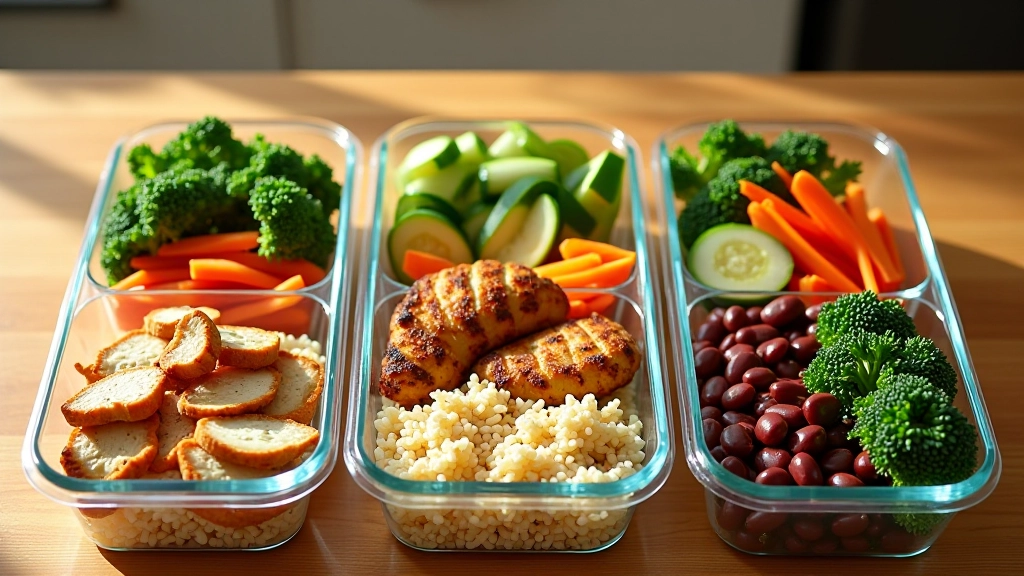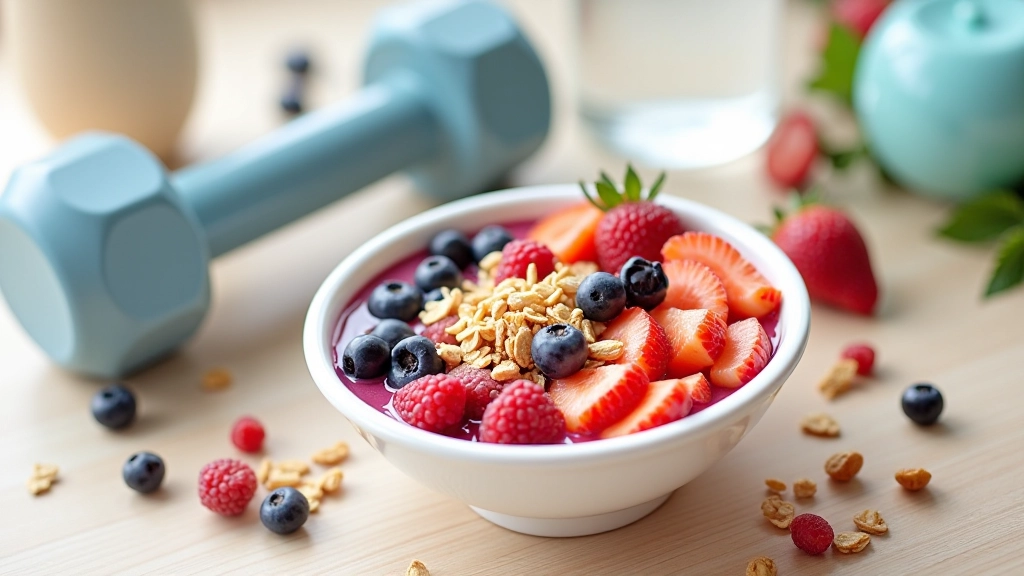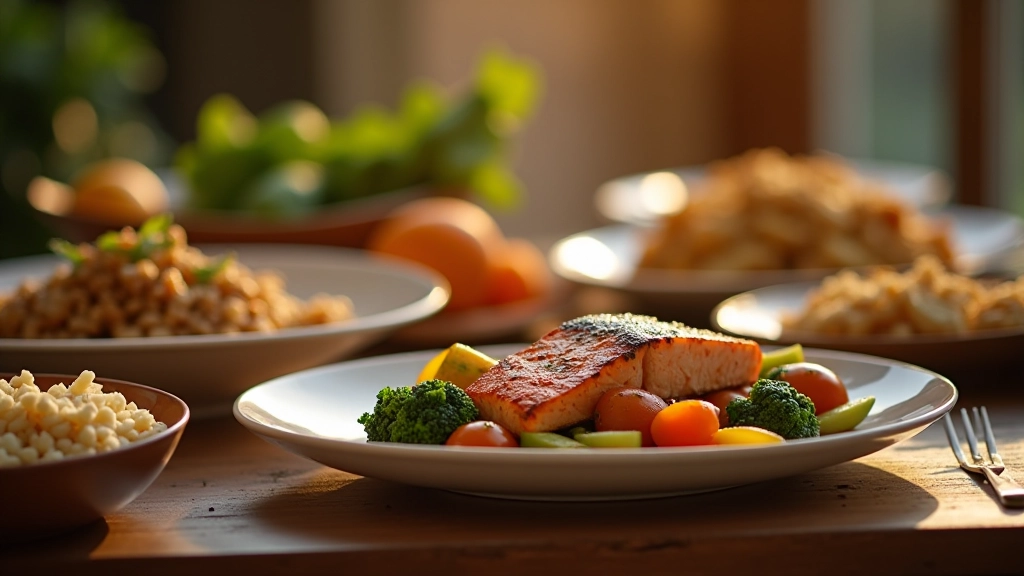
Healthy Lunch Box Ideas Kids Actually Eat
15 lunch combinations that balance nutrition with what your kids won't refuse. Includes snack timing too.
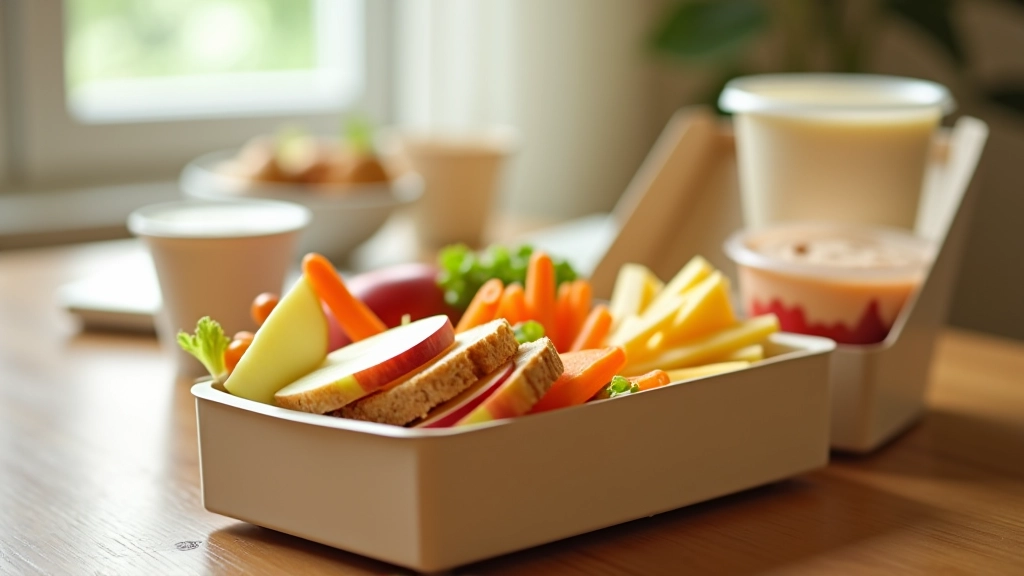
The Real Problem with School Lunches
Let's be honest — packing lunch boxes is harder than it sounds. You want nutrition, but your kid wants something that actually tastes good. You've probably thrown out half-eaten sandwiches and uneaten veggie sticks more times than you can count. The issue isn't that healthy food can't be delicious. It's that most lunch ideas ignore what kids genuinely enjoy eating.
We're not talking about complicated recipes or fancy ingredients. These 15 combinations work because they blend textures, flavors, and foods kids naturally gravitate toward. Your job becomes easier when lunch isn't a battle.

What Makes a Lunch Box Work
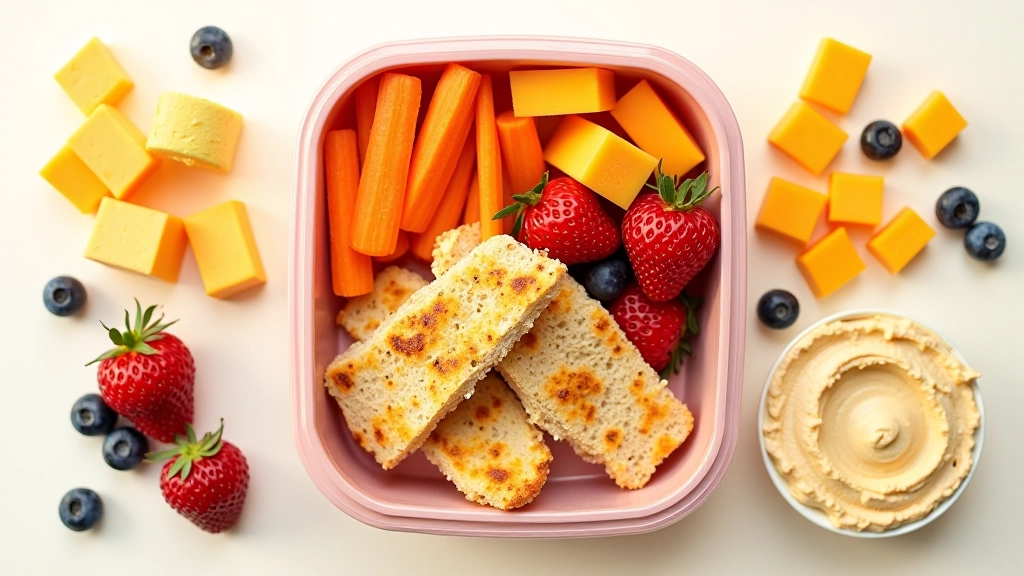
There's a formula here, though it's not complicated. Successful lunch boxes hit four elements: protein that satisfies, carbs that give energy, fruits or vegetables for nutrition, and something with a little texture contrast. When all four are present, kids eat the whole thing.
Protein keeps them full through afternoon classes. We're talking 15-20 grams ideally — chicken, turkey, hard-boiled eggs, cheese, or beans all work. Carbs should be whole grain when possible. Vegetables don't need to be raw. Roasted broccoli, cucumber slices, or cherry tomatoes actually appeal to kids. And texture? That's your secret weapon. Crunchy pita chips with hummus beats a plain sandwich almost every time.
The timing factor: Pack lunch boxes the night before if possible. This isn't laziness — it's strategy. Morning rush means you'll throw in whatever's fastest. Evening packing gives you time to think through balance.
15 Lunch Combinations Kids Won't Trade Away
Each combination lists the main components. Portions scale based on your child's age and appetite.
1. Turkey & Hummus Wrap
Whole wheat tortilla, sliced turkey breast, hummus, shredded carrots, spinach, apple slices. The wrap is forgiving — kids like that they can see the ingredients.
2. Grilled Chicken & Pesto Pasta
Bite-sized pasta, grilled chicken chunks, basil pesto, cherry tomatoes, mozzarella balls. Cold pasta is underrated. It's substantial and travels well.
3. Egg Salad on Whole Grain
Hard-boiled eggs, mayo, diced celery on whole grain bread, side of cucumber rounds, grapes. Simple but the protein content is excellent.
4. Beef & Cheddar Roll-Ups
Sliced roast beef, sharp cheddar, whole wheat tortillas, mustard, carrot sticks, berries. The roll-up format makes it feel special.
5. Chickpea Buddha Bowl
Roasted chickpeas, quinoa, roasted sweet potato cubes, raw broccoli, tahini dressing in small container. This one takes 15 minutes to prep.
6. Tuna Salad Sandwich
Canned tuna mixed with light mayo, lettuce, tomato, whole wheat bread, crackers, apple slices. The crackers add crunch that elevates it.
7. Cheese & Pepperoni Pinwheels
Whole wheat tortillas, spreadable cream cheese, sliced pepperoni, spinach, rolled and sliced into pinwheels, served with salsa in small container.
8. Greek Yogurt Parfait Box
Greek yogurt, granola in separate compartment, berries, drizzle of honey. Pack granola separately so it doesn't get soggy. Protein-packed breakfast option.
9. Pulled Pork on Whole Wheat
Shredded pulled pork, whole wheat bun, coleslaw side, pickle spears, watermelon. Comfort food that's still nutritious.
10. Veggie Noodle Bowl
Whole grain noodles, sautéed zucchini, snap peas, carrots, sesame oil dressing, tofu cubes or shredded chicken. Cold and filling.
11. PB&J Power Version
Natural peanut butter, jelly, whole grain bread, side of almonds, banana slices, string cheese. It's classic because it works.
12. Salmon & Avocado Bagel
Whole wheat bagel, smoked salmon, avocado, capers, lemon, cream cheese, cherry tomatoes. Fancy but surprisingly simple.
13. Bean Burrito Bowl
Brown rice, black beans, corn, diced bell peppers, shredded cheese, salsa and guacamole in separate containers. Build-your-own format appeals to kids.
14. Meatball Sub Sandwich
Homemade meatballs, whole grain sub roll, marinara sauce in container, mozzarella, side salad with balsamic vinegar. Warm it up or eat cold.
15. Caprese Sandwich
Whole grain bread, fresh mozzarella, ripe tomato, basil, balsamic reduction, olive oil, side of prosciutto, grapes. Italian-inspired simplicity.
Snack Timing & What Actually Works
Here's what parents miss: snacking strategy matters as much as lunch itself. A 10 a.m. snack keeps blood sugar stable through lunch. A 3 p.m. snack prevents the after-school meltdown. The difference between a calm kid and a cranky one is often just snack timing.
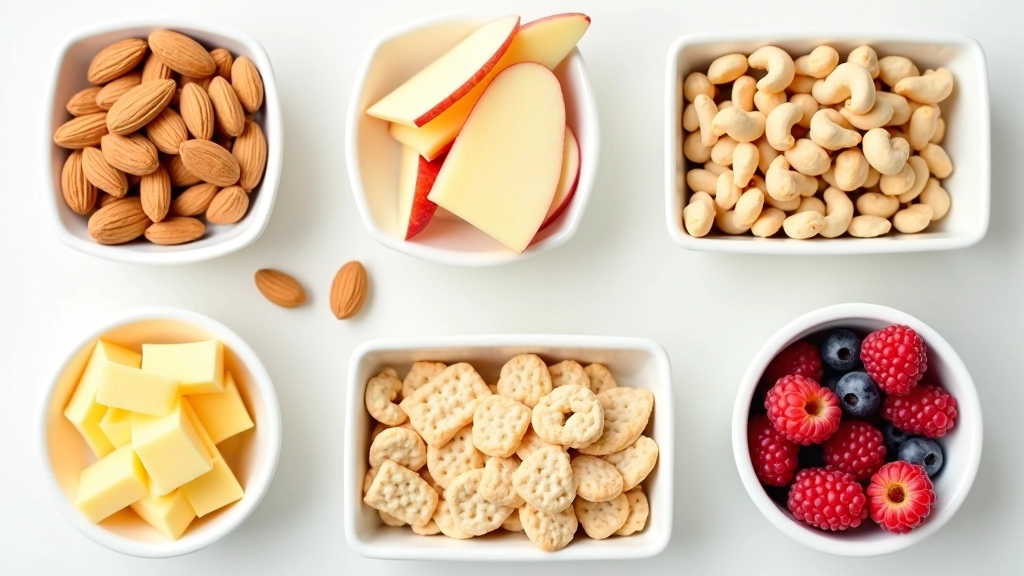
Morning snack (around 10 a.m.) should be light. Apple with almond butter. Cheese and whole grain crackers. A banana. Yogurt. Something quick that doesn't spoil appetite for lunch. Afternoon snack (3-4 p.m.) can be heartier — trail mix with nuts and dried fruit, granola bar, or hummus with pita chips. This one bridges the gap between school and dinner.
Quick snacks that travel well:
- Hard cheese cubes or string cheese
- Mixed nuts and dried fruit
- Whole grain crackers with cheese
- Apple slices with nut butter in small container
- Homemade granola bars
- Edamame (roasted and salted)
- Dried fruit without added sugar
- Popcorn (plain or light seasoning)
Practical Assembly Tips
You don't need fancy lunch containers, but organization helps tremendously. Compartmented boxes prevent flavors from mixing and keep everything fresh. Pack wet items (dressing, hummus, salsa) in separate small containers — this simple step prevents soggy sandwiches.
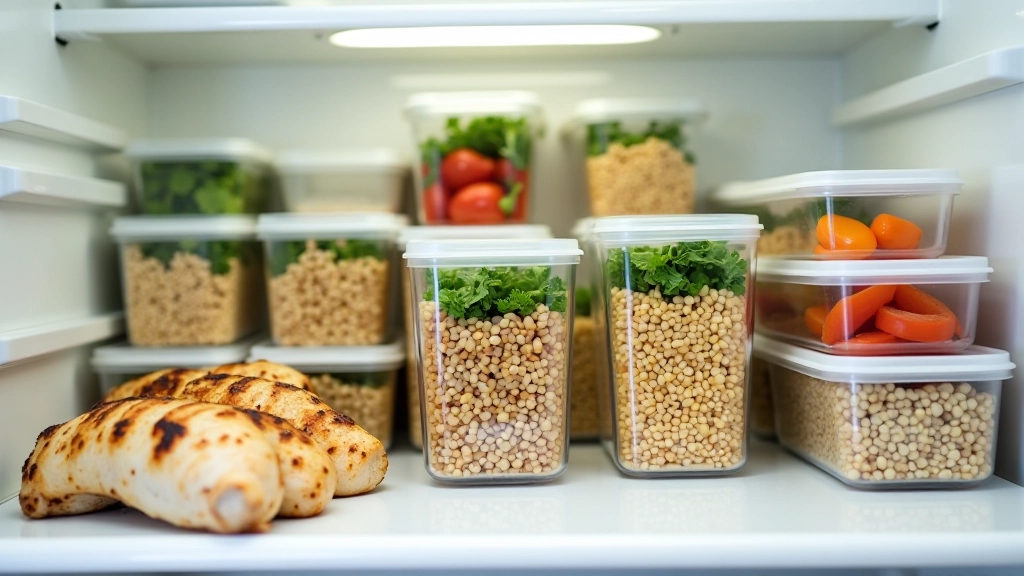
Prep proteins on Sunday. Grill a few chicken breasts. Hard-boil a dozen eggs. Cook a batch of ground turkey. This single step cuts weekday lunch assembly from 10 minutes to 3 minutes. Your morning self will thank your Sunday self.
Temperature matters. Use an insulated lunch box with an ice pack for foods that need staying cool. If your school has a microwave, you've got more options — pack containers that reheat well. Pasta, rice bowls, and soups all work heated up.
One more thing: involve your kid in choosing. If they pick two of the 15 combinations, they're already invested in eating it. Give them that small choice and suddenly lunch becomes less of a battle and more of a shared decision.
The Bottom Line
Healthy lunch boxes don't require complicated recipes or hours of prep. They require balance and knowing what your kid actually enjoys. Start with one combination from the list that sounds appealing. See how it goes. If it works, you've got a winner. If not, try another. You'll find your rhythm faster than you think.
The real win isn't just nutrition — it's peace of mind. When your kid comes home with an empty lunch box, you know they're getting fuel their body needs. That's worth the 3 minutes of assembly time.
Disclaimer
This article is informational only and should not be considered medical or nutritional advice. Every child has different dietary needs, allergies, and preferences. If your child has specific health conditions, food allergies, or dietary restrictions, consult with a pediatrician or registered dietitian before making significant changes to their lunch box contents. The combinations provided are general suggestions based on common nutritional principles and child development guidelines.