
Practical Guide
Weekly Meal Prep for Busy Families: Sunday Setup Guide
Get 5 days of meals ready in 2 hours. Real portions that work for kids and adults, without the stress or complicated recipes.
Why Sunday Meal Prep Changes Everything
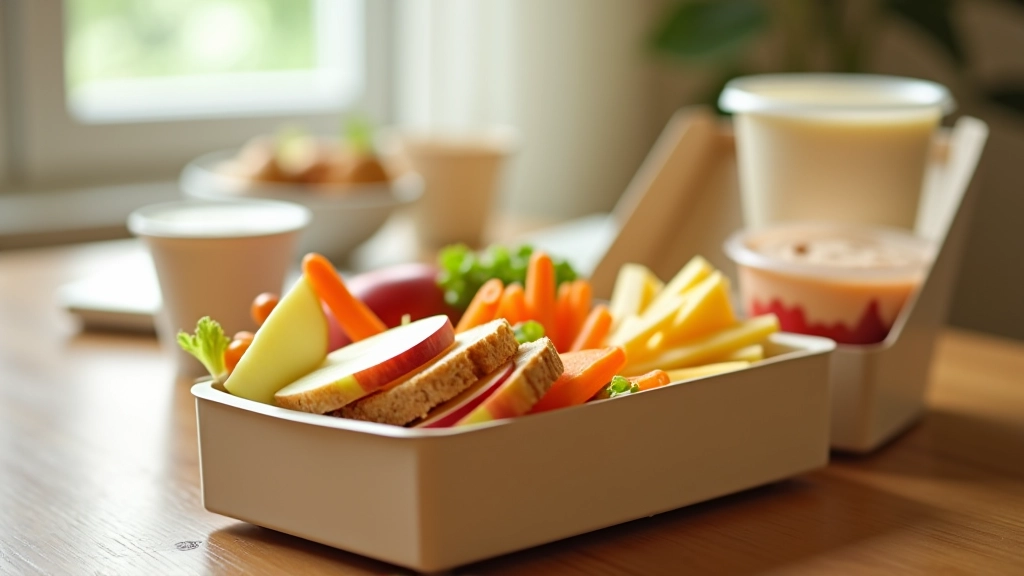
You're juggling work schedules, kids' activities, and trying to put real food on the table. We get it. By Wednesday, you're either eating cereal or ordering takeout again. That's not because you're bad at this — it's because you're trying to plan and cook every single day when you're exhausted.
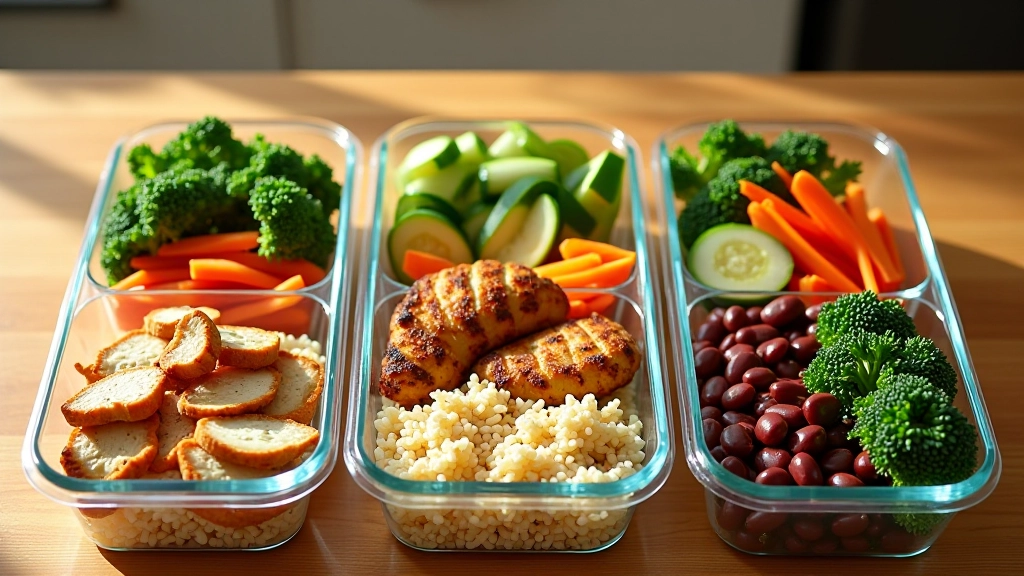
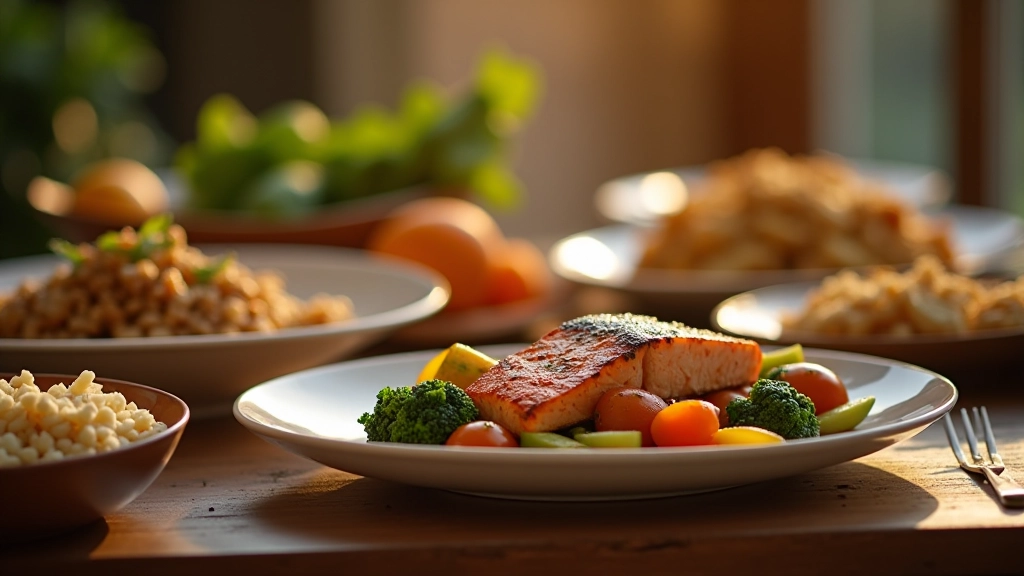
Here's what actually works: spend 2 hours on Sunday doing the heavy lifting, then the rest of the week feels manageable. You're not prepping complicated meals. You're prepping components — roasted proteins, chopped vegetables, cooked grains — that your family can mix and match however they want. Kids eat lunch without complaints. Adults have options for dinner. And you're not stress-cooking at 5 PM.
This isn't about meal replacement shakes or eating the same thing all week. It's about having real food ready so you can actually make choices instead of just grabbing whatever's fastest.
The 2-Hour Sunday System
This isn't a race. You're cooking 4-5 components simultaneously while things roast and simmer. Start at 10 AM, you're done by noon.
01
Prep Everything Raw (20 min)
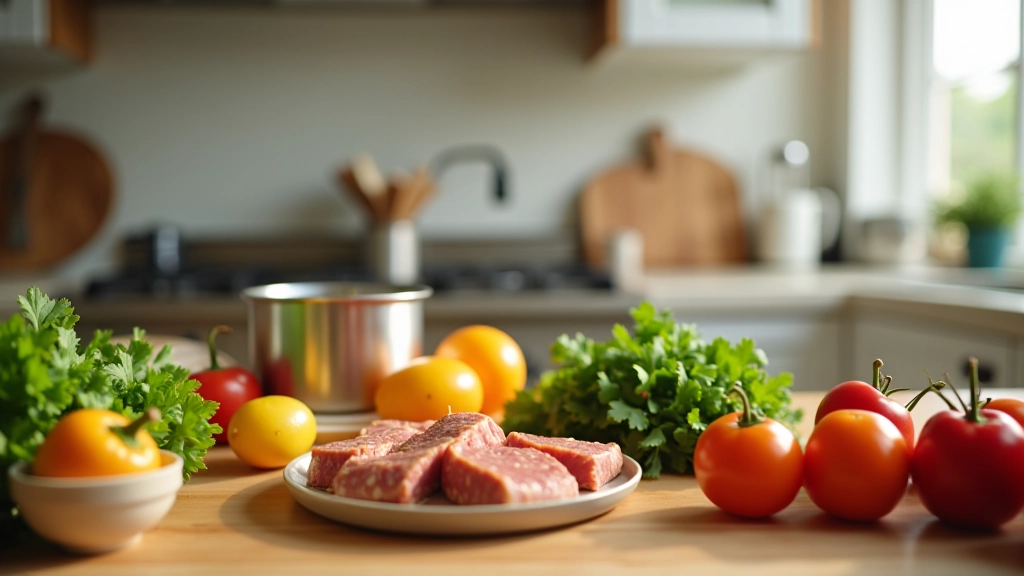
Wash and chop all vegetables. Don't worry about perfect cuts — uniform sizing helps with cooking time. Trim proteins, measure out portions. Get everything on sheet pans and into bowls. This upfront work makes the actual cooking smooth.
02
Start Cooking (5 min setup)
Oven to 425°F. Get 2-3 sheet pans going with roasted vegetables and proteins. Rice cooker on for grains. Stove with boiling water for any pasta or potatoes. Everything's cooking while you handle other components. Set timers so nothing burns.
03
Make Your Sauces (15 min)
While proteins roast, whisk together 2-3 simple dressings: a basic vinaigrette, a tahini-lemon sauce, and maybe a yogurt-herb mixture. Store these separately. Different family members like different flavors, and sauces give you variety without cooking multiple meals.
04
Cool & Container (30 min)
Pull everything from heat, let it cool for 5-10 minutes. This prevents condensation in containers. Pack components separately into glass containers — never mix until serving. Label with dates. Refrigerate immediately. Most components last 5 days.
What Proteins Actually Work
Chicken breast gets boring fast. Mix it up. Sheet pan roasting is your friend because you're not actively cooking — it's all hands-off time.
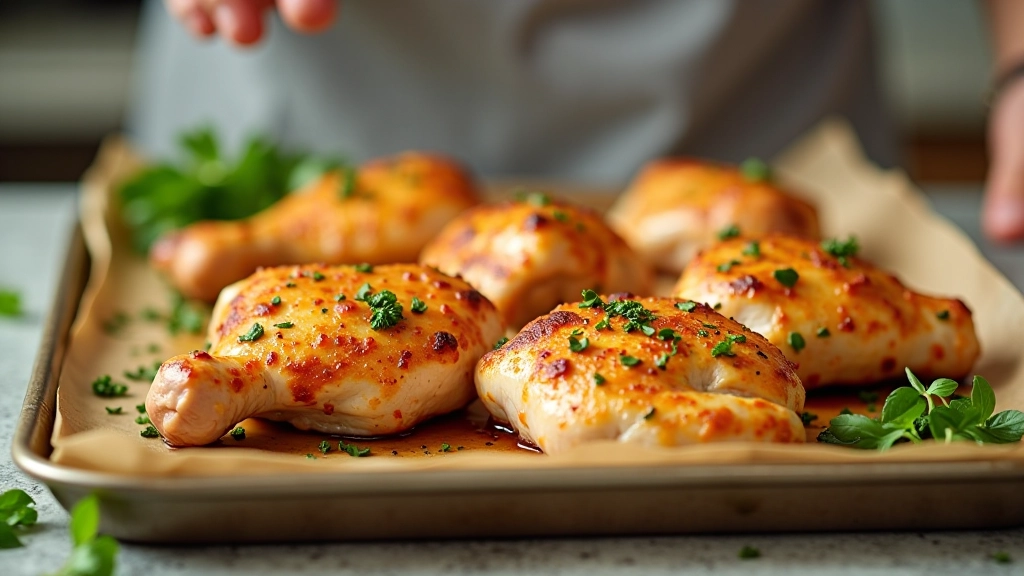
- Chicken thighs (not breast) — more forgiving, stay moist, taste better. 35-40 min at 425°F.
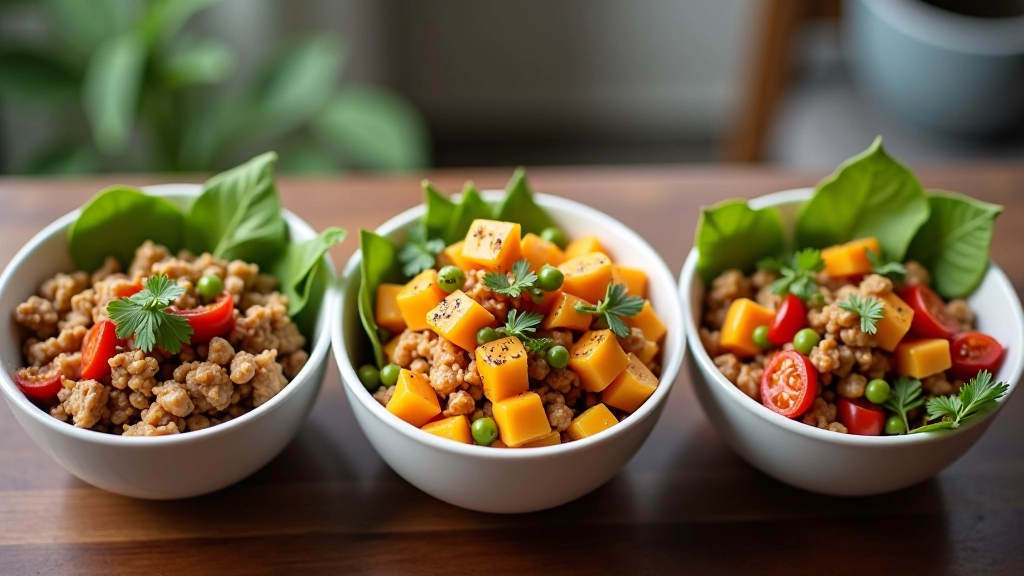
- Ground turkey or beef — brown it in a big skillet with onions and garlic, season well. Kids don't notice it's ground instead of chunks.
- Salmon or white fish — 15-20 minutes roasted. Less forgiving than chicken, but your adults appreciate it.
- Hardboiled eggs — boil a dozen, peel, store. Breakfast, lunch, snacks. Takes 15 minutes including cooling.
- Chickpeas or beans — canned is fine. Roast them with olive oil and spices for a different texture, or keep them plain for flexibility.
Aim for 3-4 pounds of protein total so you've got actual leftovers. A family of 4 needs more than you think — plan for seconds and snacks.
Vegetables: More Than Just Sides
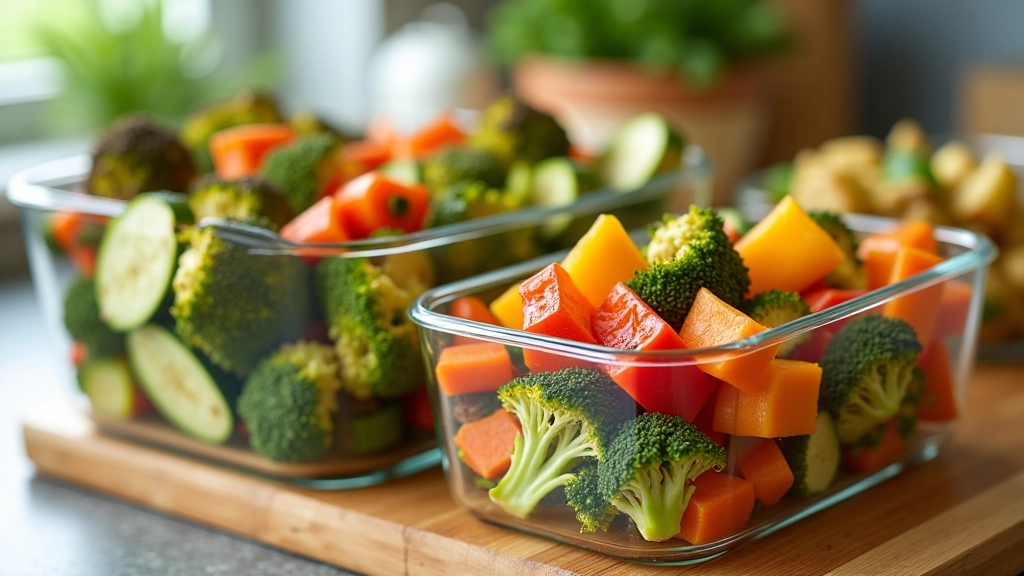
Roasted vegetables taste completely different than raw. Your kids might actually eat them. The key is proper seasoning and not overcrowding the pan — let them get brown and slightly crispy, not steamed.
Pick 3-4 vegetables per week based on what's in season and what your family actually eats. Don't prep vegetables you know will get wasted. A typical combo: broccoli, bell peppers, zucchini, and carrots. Toss with olive oil, salt, pepper, and garlic powder. Roast at 425°F for 25-30 minutes, stirring halfway.
Store roasted vegetables in a separate container from proteins and grains. They'll release moisture and make everything soggy if packed together. Same container is fine for eating — just assemble when serving.
Grains & Carbs: The Base
Cook once, use multiple ways. Rice cooker is the MVP of meal prep.
Brown Rice
2 cups rice to 4 cups water in rice cooker. Takes 45 min but it's hands-off. Neutral flavor works with any sauce. Makes about 6 cups cooked.
Quinoa
1 cup quinoa to 2 cups water. 15 minutes. Protein-rich, lighter texture. Kids either love it or hate it — know your family.
Sweet Potatoes
Cut into chunks, roast at 400°F for 30 min. More filling than rice, naturally sweet. Adults love them, kids need less convincing.
Pasta
Whole grain pasta cooked to al dente. Toss with a bit of olive oil to prevent sticking. Kids recognize it instantly.
Assembly: The Flexibility Part
This is what makes meal prep work for families instead of feeling like punishment. Your 7-year-old doesn't want the same bowl as your 15-year-old, and you don't want what either of them eat. That's fine. Everything's prepped separately.
Monday lunch: kid gets rice + chicken + broccoli with butter. Adult gets rice + chicken + roasted vegetables with tahini sauce. Both took 3 minutes to assemble. Wednesday dinner: same components, different arrangement because you're tired of the same thing. Thursday: rice is gone, so pasta becomes the base instead.
Pack containers based on portions you actually need. A kid's lunch needs less than an adult's dinner. Having everything separate means you're not throwing away half a container of vegetables because nobody wanted that flavor combination.
The Actual Equipment You Need
You don't need gadgets. You need containers and sheet pans. That's it.
Glass containers
3-5 quart-sized glass containers with lids. Not plastic — plastic holds flavors and stains, and you can't see what's inside. Glass containers cost $25-40 for a set and last years. They're the investment that actually pays off.
Sheet pans
2-3 heavy-duty sheet pans. Aluminum, nothing fancy. They're your workhorse. Everything gets roasted on these. You want metal, not glass or ceramic, for even heat.
Rice cooker
Doesn't have to be expensive. $20-30 basic model works. Plug in, walk away, come back to perfect rice. No burned pans, no babysitting.
Sharp knives
One good 8-inch chef's knife makes prepping 10x faster. Dull knives are dangerous and frustrating. Spend $30 on a decent one and actually sharpen it monthly.
Large cutting board
Wood or plastic, doesn't matter. You want 18x24 inches minimum so you're not moving stuff around constantly. Big surface = faster chopping.
Labels and marker
Write what's in the container and the date. Tuesday you won't remember if that was the Monday rice or the Tuesday rice. Marker on a label takes 10 seconds.
Storage: Keeping Everything Fresh
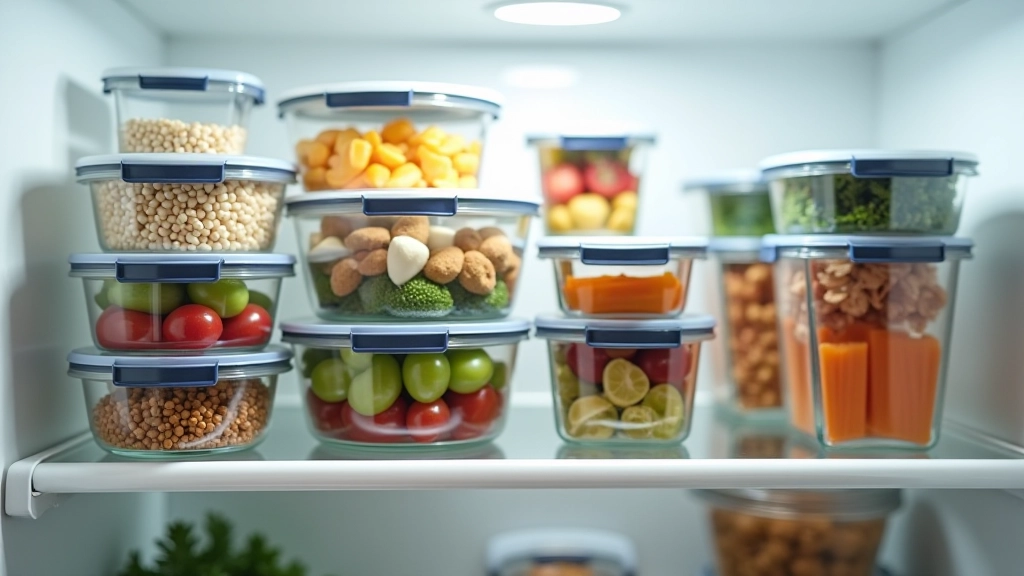
Roasted proteins and vegetables last 4-5 days in the refrigerator if stored properly. Grains last 5 days. Dressings last a week. The key is getting hot food into the fridge quickly — don't leave containers on the counter cooling.
Organize your fridge so prepped containers are visible and at eye level. If you can see them, you'll actually use them. If they're buried, they get forgotten and wasted. Front and center, clearly labeled with dates.
Friday or Saturday, use up the last containers. Don't force yourself to eat something on day 6 because you're trying to avoid waste. It's not about eating exactly the same portions all week — it's about having real food available so you make better choices than takeout.
Real Tips That Actually Help
Things we've learned from doing this weekly, not from food magazines.
Double Your Recipes
If you're roasting vegetables anyway, roast twice as much. Use half Monday-Wednesday, freeze half for next week. Same effort, double the benefit. Your future self on a busy week will appreciate this.
Batch Cook Proteins
Cook multiple proteins at once since they use the same oven temperature. Ground meat on the stovetop while chicken roasts. Hardboil eggs while everything's cooking. You're not cooking sequential meals, you're cooking components in parallel.
Keep It Simple
Don't prep 8 different components. Four proteins, 3-4 vegetables, 2-3 grains, 2 sauces. That's enough variety. More than that gets overwhelming and wasteful.
Taste as You Cook
Season proteins and vegetables while they're cooking, not after. Salt on the roasting pan means seasoning that sticks, not salt sitting on top that you taste first. Taste and adjust — if it's bland in the container, it'll still be bland on Thursday.
Invest in Timers
Set timers for everything. Phone timers, kitchen timer, whatever. When you've got 4 things cooking simultaneously, one burned pan ruins the whole session. You'll check them out of habit, but timers prevent disasters.
Let People Help
Kids can wash vegetables, tear lettuce, stir sauces. Teenagers can chop. Your partner can pack containers while you're still cooking. Two people working together cuts the time in half.
Questions That Come Up
Won't everything taste the same by Friday?
Not if you prep components separately. Same rice with Tuesday's garlic sauce tastes completely different from Tuesday's rice with Thursday's tahini sauce. You've got flexibility. Plus, if Wednesday gets boring, use different portions or skip the rice and wrap everything in lettuce.
What if someone in the family doesn't like something?
Prep one extra component they actually eat. If your kid won't touch roasted vegetables, prep extra rice and chicken. That's their meal. You're not making separate dinners, you're having enough variety so everyone finds something in what you prepped.
Can I do this on Saturday instead?
Sure. The day doesn't matter. Sunday works because it's usually quieter and sets up the week. But Saturday works fine if that's your life. Pick the day when you've got 2 hours and stick with it.
Is frozen food okay instead of fresh?
Absolutely. Frozen vegetables work great for roasting. Frozen chicken thighs work fine. Frozen berries work for smoothie bowls. You're not failing if you use frozen — you're being practical.
How do I reheat without making things mushy?
Microwave works fine. 2-3 minutes for a full container. If you're reheating grain and protein, add a tiny bit of water or broth so it doesn't dry out. Or don't reheat — cold grain and protein bowls are actually great for lunch.
It's Not Perfect, But It Works
Meal prep isn't about being perfect or Instagram-beautiful. It's about feeding your family actual food instead of grabbing drive-through meals because you're too tired to cook. Some weeks you'll nail it. Some weeks you'll run out of time and prep half as much. That's still half more than if you didn't try.
Start with one Sunday. Just pick your proteins, vegetables, and grain. Roast it all. Pack it up. See what happens during the week. You'll adjust after the first time. Maybe you realize you need more vegetables. Maybe you hate chickpeas and should stick with chicken. That's how this works — you learn what your family actually needs.
By week 3, you'll have a rhythm. By week 6, you won't even think about it. You'll just do it on Sunday and feel less stressed all week. That's the real benefit.
Related Articles
About This Guide
This article provides educational information about meal planning and preparation for families. It's based on practical experience and common approaches to meal prep, not medical or nutritional advice. Everyone's dietary needs are different — what works for your family depends on your specific health conditions, preferences, and goals. If anyone in your household has allergies, dietary restrictions, or medical conditions affecting nutrition, consult with a healthcare provider or registered dietitian before making significant changes to meal plans. This guide is meant to simplify your cooking process, not replace personalized professional guidance.